A Look Back at 2025: How Pi Network’s Open Network, Real-World Utility, and Ecosystem Expansion Reshaped the Project

- Updated Time: 01-01-2026
- 26864 times read
Pi Network 2025 review, Pi Network Open Network launch, Pi real-world utility, Pi ecosystem expansion, Pi Network KYC migration, Pi Network ecosystem growth, Pi Network long-term vision
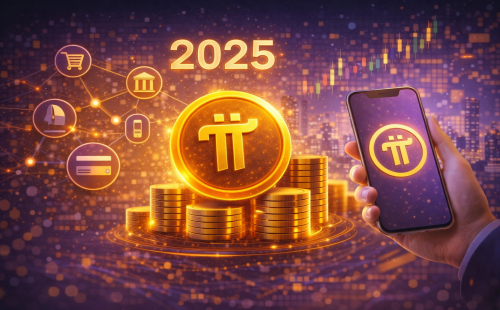
2025 marked a turning point for Pi Network as the Open Network launched, enabling real-world utility and ecosystem expansion. From KYC migration and developer growth to AI-focused infrastructure and venture investments, Pi moved beyond mining toward building a functional digital economy.

Pi Network marked 2025 as a defining year, transitioning from a closed experimental ecosystem to an open, utility-driven blockchain network.
- Open Network: A Structural Shift
In February 2025, Pi Network officially launched its Open Network, enabling external connectivity for the first time. This milestone allowed Pi’s ecosystem to interact with external services, applications, and compliant partners, moving Pi beyond an isolated environment.
This shift transformed Pi from a mining-focused project into a platform for real economic activity.
2. From Mining to Utility
Throughout 2025, Pi emphasized real-world utility rather than speculative trading. The focus moved toward:
- Merchant integrations
- App-level use cases
- Peer-to-peer value exchange
This strategy reinforced Pi’s original vision of building a people-powered digital economy.
3. Ecosystem Expansion and Developer Growth
Pi Network expanded its ecosystem by supporting:
- Hackathon-driven applications
- Community-built platforms
- Utility-focused DApps
Developer participation increased as tools, APIs, and onboarding processes matured, allowing innovation to grow organically within the network.
4. KYC, Migration, and Access Improvements
One of the most critical developments in 2025 was the continued KYC and Mainnet migration process. These upgrades improved:
- Network trust
- Compliance readiness
- Access fairness
By strengthening identity verification, Pi positioned itself for broader adoption and regulatory alignment.
5. AI, Infrastructure, and Human Participation
Pi Network also highlighted advancements in:
- AI-assisted tooling
- Infrastructure scalability
- Human participation in digital systems
Rather than replacing human roles, Pi explored how human intelligence and AI could coexist within decentralized ecosystems.
6. Venture Investments and Long-Term Vision
Through Pi Network Ventures, strategic investments supported ecosystem projects, signaling a long-term commitment to sustainability rather than short-term hype.
The network’s progress in 2025 reflected a shift toward measured growth, resilience, and real adoption.
Conclusion
By the end of 2025, Pi Network had clearly moved beyond its early identity as a mobile mining experiment. With Open Network live, utility expanding, and ecosystem participation increasing, Pi entered a new phase focused on building a functional, inclusive digital economy.